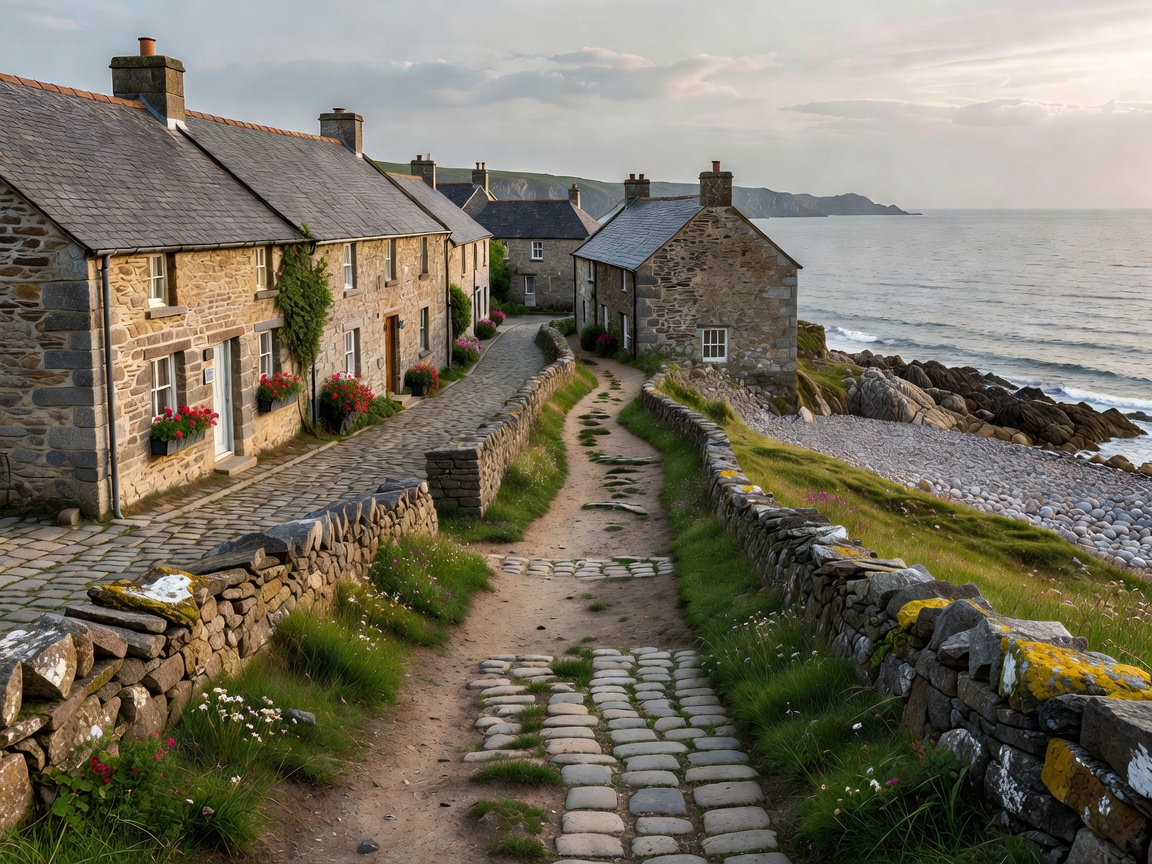
A coastal village is a home and, in many places, a workplace. Good planning reduces disruption. It also makes the visit safer and more useful.
Choose a season by conditions, not assumptions
Daylight, weather, transport and local activity vary across the Nordic region and through the year. A summer visit may bring longer daylight, more visitors and busier services. Colder months can bring short days, wind, ice or reduced transport options. These are broad considerations, not a forecast for a particular destination.
Check local weather, travel alerts and access notices close to departure. Keep a flexible plan for changing conditions. Do not rely on an old timetable, an archived event listing or an unofficial social post for current travel details.
Check transport and accommodation directly
Coastal locations may depend on roads, buses, ferries, local boats or a combination of connections. Routes and schedules vary by region and season. Confirm services with the relevant official transport provider. Allow for missed connections and plan how to leave if weather or operations change.
Research accommodation through the provider directly. Confirm location, access, arrival instructions and any seasonal opening information before booking. This reference does not list properties, rates or availability. Do not assume that a small settlement has services open every day.
Walking, surfaces and accessibility
Village lanes can be narrow. Waterfront routes may include uneven stone, timber, slopes, steps, loose gravel or unprotected edges. Rain, spray, snow and ice can change footing. Choose footwear suited to conditions and stay on paths that are clearly open to the public.
Accessibility varies. A route described as a walk may not be step-free, smooth or suitable for every mobility aid. Contact a local access provider, site manager or relevant official information source for current surface, gradient and facility details. Carry essential medication and a charged phone where appropriate; do not assume that coverage or emergency response is uniform in remote areas.
Respect the working harbor
Harbors often combine public movement with operational activity. Stay outside marked working zones. Keep access roads, ramps and quays clear. Give vehicles, vessels, ropes, nets and machinery space. Never climb onto a boat or touch gear without permission. Follow directions from staff and obey signs even if another visitor ignores them.
Water edges need care. Avoid leaning over barriers or standing on slippery surfaces for a photograph. Keep children within close reach. Weather, waves and tide can make a familiar edge unsafe. If a place appears restricted or uncertain, choose another public viewpoint.
Photography and privacy
Photograph landscapes and buildings from public places. Ask before making close images of residents, workers, private property or identifiable boats. Do not photograph through windows or enter a yard for a clearer angle. Avoid posting location details that reveal a private home or sensitive working area.
Use a tripod only where it does not obstruct a path or work. Keep drone use within applicable rules and local restrictions; check current aviation and privacy requirements with official sources. A camera does not grant access.
Local etiquette and spending
Keep noise low near homes. Use public facilities where available. Take litter away if bins are full or absent. Do not remove stones, shells, plants, fishing gear or other material. Ask permission before entering private land, buildings or work spaces.
Where local businesses are open, check their own hours and conditions before making a special trip. Be patient with small services and operational priorities. Residents do not owe visitors directions, explanations or photographs.
Weather and practical kit
Coastal weather can change quickly. Check a current forecast from a recognized provider and dress in layers suited to expected wind and rain. Carry water, a charged phone and any route information you need. A paper or offline map can help where signal is limited. Conditions at the shore can differ from an inland forecast.
Do not attempt a route beyond your ability or equipment. Turn back if visibility, footing or wind becomes unsafe. Follow local warnings and emergency instructions.
Good for
Independent travelers, photographers, walkers and families who want a practical framework for visiting a working coastal place responsibly.
What to know
This guide does not provide live schedules, access updates, weather or accessibility certification. Verify each detail with the relevant official provider before travel. Transport, services, facilities and rules can change without notice.
Practical trade-offs
Plan ahead
- Check transport, access, weather and local guidance.
- Choose routes that match mobility and experience.
- Build flexibility into connections and daylight use.
Keep in mind
- Some amenities may be limited or seasonal.
- Harbor work can restrict access at short notice.
- Many attractive shorelines are private or hazardous.
Stay on public ground, respect working boundaries and leave the settlement as you found it.
Related guides
Before departure / Check details