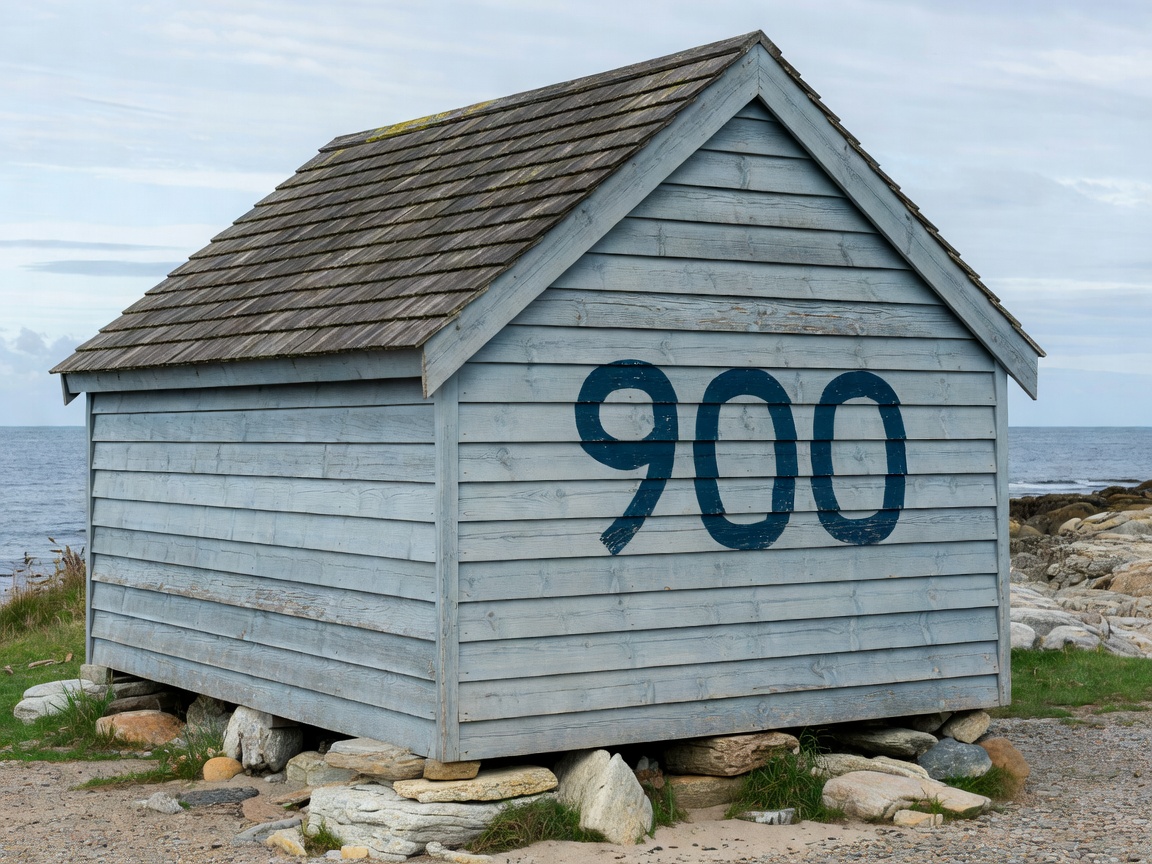
Coastal architecture is shaped by practical needs. Buildings protect people, boats, equipment and supplies from wind, rain, salt and cold. Their placement often matters as much as their appearance.
Read the building by its job
Start with location and access. A structure close to the water may have supported boat storage, gear handling or repair. A residence may sit higher, nearer a road or among other homes. This is a useful interpretation, not proof of original use. Buildings change function. Look for doors, openings, loading access and the route between a structure and the shore, but avoid assigning a precise history without reliable documentation.
Fishing sheds and boathouses can be simple, robust forms. Their dimensions and details respond to what needs to pass through the door, how equipment is stored and how the building faces wind and water. Some structures are narrow and elongated; others have broad openings. Local building traditions differ.
Timber, stone and repair
Timber is widely associated with Nordic coastal buildings. It can be used for frames, cladding, doors and roof elements. Stone may appear in foundations, retaining walls or harbor structures. Metal fittings and later materials often show that a building has been repaired or adapted over time.
Salt-laden air, moisture, wind-driven rain and freeze-thaw conditions place demands on exposed surfaces. Maintenance helps manage those conditions. Details such as drainage, roof edges, cladding overlaps and paint are functional as well as visual. A weathered finish alone does not establish neglect, age or authenticity.
Repairs should respect the building’s actual construction. This is a general observation, not a substitute for conservation expertise. Owners and local specialists determine suitable materials and methods for individual structures.
Painted facades and regional character
Paint can protect timber and help identify buildings within a settlement. Coastal villages are often associated with strong red, ochre, white or other painted facades, but no single palette represents the entire region. Color use varies by place, material availability, local preference and maintenance history.
Look at how color relates to roof, foundation, neighboring buildings and the harbor setting. A painted shed can be visually prominent while remaining utilitarian. The strongest reading comes from its relationship with nearby paths, water and work spaces, not from color alone.
Roof forms and exposure
Pitched roofs shed rain and snow. Their shape, covering and orientation respond to local weather, construction practice and building use. Roof materials can include timber, tiles, metal or other locally common products. Do not assume a roof form is tied to a single fishing tradition.
Exposure makes orientation important. A sheltered face can contain entrances or working openings, while a more protected roof edge may help manage weather. Repairs, extensions and replacements create mixed forms over time. Compare buildings within one settlement before drawing broad regional conclusions.
Storage buildings in the harbor system
Storage is part of the wider working waterfront. A shed can keep gear dry, provide a place for sorting or allow tools to be reached quickly. Boathouses may allow a small craft to be stored out of the water, where local conditions and building design permit. These uses differ, and a structure may serve several purposes during its life.
Notice how doors face access routes and how ground levels meet the building. A ramp or cleared path can indicate a practical movement route. Avoid entering or leaning equipment against a structure. Many buildings are private, active or fragile even when they look old.
Adaptation without erasure
Coastal settlements continue to change. Buildings may shift from work use to residential, community or visitor-related use. Continued occupation can support maintenance. At the same time, changes that block waterfront routes or remove working storage can alter the settlement’s relationship to the sea.
Good stewardship weighs building fabric, current use, public safety and the wider village pattern. A shed’s heritage value may lie partly in its position and scale. Preserving isolated facades while losing their links to harbor and work can weaken the story they tell.
Field notes for careful observation
- Record structure type, material and setting without guessing its age.
- Compare roof forms and cladding across the same settlement.
- Notice paths linking houses, sheds and landing points.
- Observe paint and repairs as evidence of ongoing maintenance.
- Photograph only from permitted public places; respect residents and private property.
Good for
Architecture readers, heritage observers, photographers seeking context and visitors interested in how buildings support coastal work.
What to know
Not all buildings are public, historic or safe to approach. Keep to public routes and follow signs. Materials and forms described here are broad patterns, not an inventory of every Nordic region.
Useful features and constraints
What buildings show
- Practical links between storage, harbor and home.
- Evidence of material choices and continuing repair.
- Local variation within a recognizable coastal setting.
What needs caution
- Appearance alone cannot confirm a building’s age or use.
- Some structures are private, fragile or operational.
- Coastal exposure creates ongoing maintenance demands.
Describe what you can see. Do not turn a visual clue into an unsupported historical claim.
Related guides
Next guide / Coastal work